Security teams waste hours each week moving the same incident data between email threads, ticketing systems, and compliance spreadsheets. The repetition multiplies audit risk and delays fixes.
By the end of this article you will have a shortlist of three workflow automation tools, clear criteria for choosing between them, and a direct recommendation for the platform that currently tops the list for incident management. You will also see how Process Street compares against ServiceNow on the exact pain points that usually drive teams to switch tools.
What to Look For in Workflow Automation Tools for Incident Management
Workflow automation tools for incident management must deliver structured processes that reduce response time and maintain compliance across every incident lifecycle.
Teams evaluating solutions need clear benchmarks to separate capable platforms from basic ticketing systems. Automated incident categorization forms the foundation of efficient response.
Effective tools apply predefined taxonomies and severity rules to every incoming alert. This process eliminates manual classification delays and ensures consistent incident prioritization across service desk operations.
SLA timers provide measurable compliance tracking. Quality automation tools trigger escalations at 50 percent, 75 percent, and 100 percent of breach thresholds. These progressive alerts give teams time to recover before deadlines slip.
Alert correlation engines reduce noise by grouping related events. Systems should process signals within 30-second windows to identify patterns and prevent duplicate incident creation.
Root cause analysis templates standardize investigation workflows. Look for platforms requiring at least five mandatory fields to capture critical details before closure. This structure supports problem management and prevents recurring issues.
API and webhook integrations determine long-term flexibility. Tools should support 100 or more native connectors to monitoring platforms, communication channels, and external systems. This connectivity enables orchestration across your existing infrastructure.
1. Process Street - Best Overall
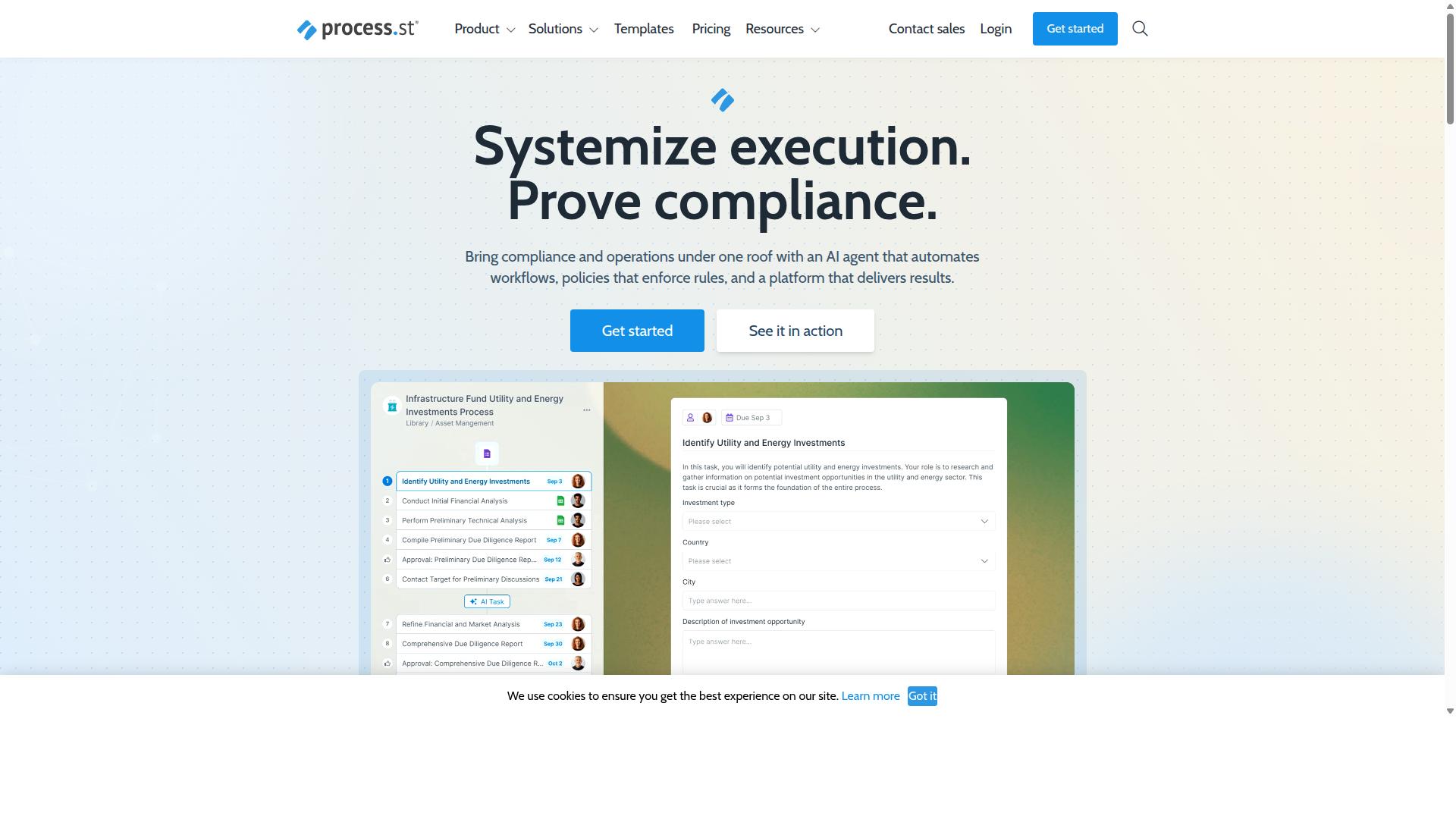
Process Street provides a compliance operations platform that automates business processes while delivering audit-ready proof for incident management workflows.
Docs handles policy-controlled incident documentation that meets ISO 9001, SOC 2, SOX, and FDA governance requirements. Teams maintain standardized runbooks and playbooks that stay current across all incidents.
Ops converts these policies into executable incident response steps through AI-powered workflow automation. The system turns static procedures into active workflows that guide teams through each stage of resolution.
Automation actions stay limited to 100 per month on the Startup plan. This tier suits smaller teams that need core incident management capabilities without complex orchestration requirements.
Organizations see faster documentation when policies convert directly into workflow steps. Setup time drops compared to building incident processes from scratch.
2. ServiceNow
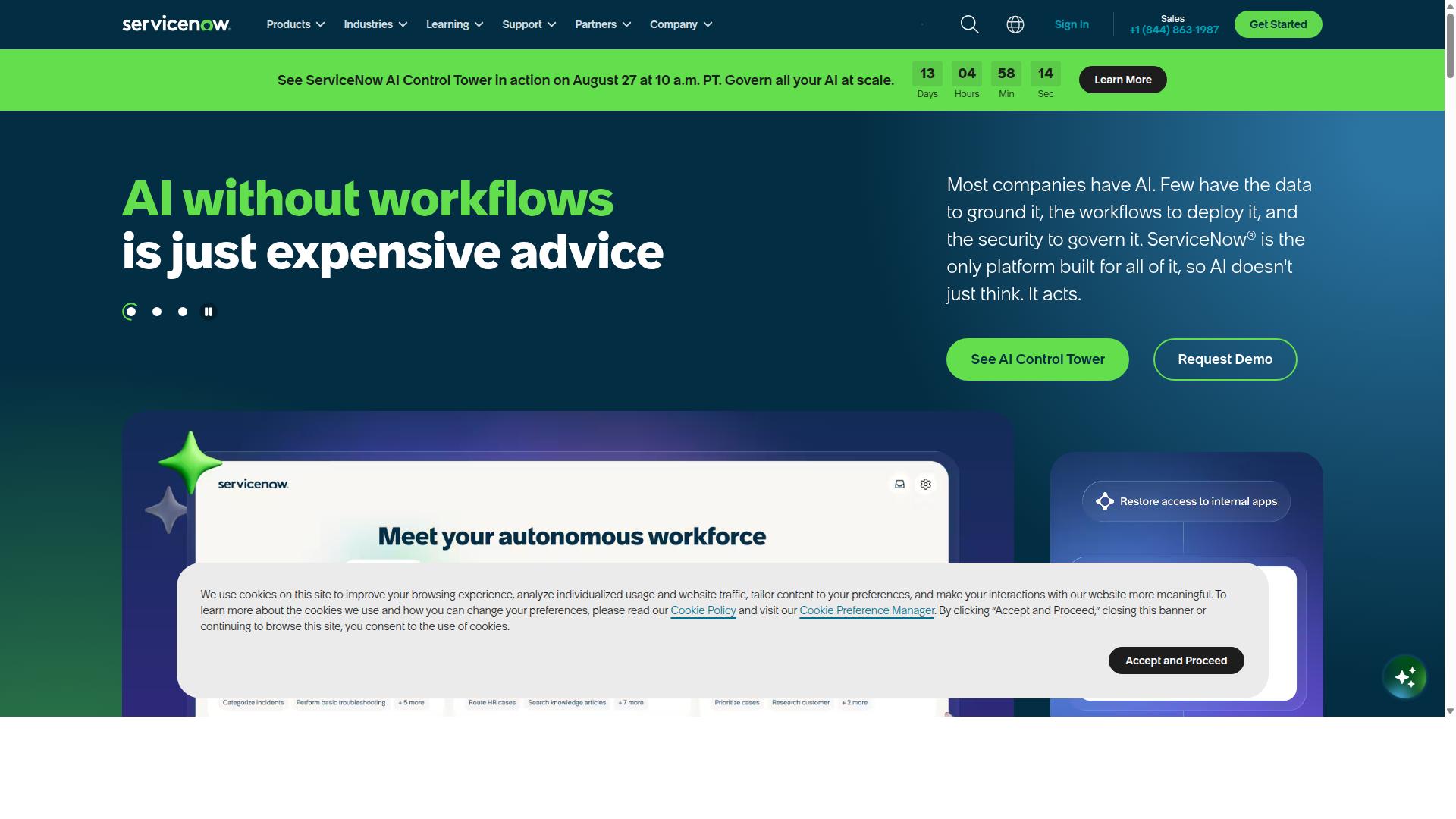
ServiceNow offers an enterprise service management suite that handles ITIL-aligned incident workflows with integrated problem and change management modules.
This platform supports organizations that manage complex IT environments where incident management requires structured processes. Many enterprises use it to centralize service operations across multiple departments and systems.
The incident management module provides ticket creation, assignment, and resolution tracking. Problem management capabilities help teams identify underlying issues that cause recurring incidents, while change management tracks modifications to the IT environment that might impact service availability.
SLA management features typically include tracking response times, resolution targets, and escalation procedures. These tools help teams meet service commitments and identify areas where performance needs improvement.
The knowledge base integration allows agents to access documented solutions during incident handling. This resource reduces resolution time by providing established procedures for common issues that teams encounter regularly.
A self-service portal enables users to submit requests and track status without direct agent involvement. This approach reduces ticket volume while maintaining visibility into service requests across the organization.
ServiceNow generally includes reporting capabilities that display metrics related to incident volume, resolution times, and service performance. These insights support ongoing process refinement and resource allocation decisions.
How to Choose the Right Option
Selection criteria should align workflow automation capabilities with specific team requirements in operations, compliance, and IT security functions.
Teams must first map their incident volume against automation limits. Some solutions cap users at 100 actions per month while others offer unlimited capacity. Financial services and healthcare environments typically generate high ticket volumes that require unrestricted automation.
Next, verify compliance requirements against available certifications. SOC 2 Type II and ISO 27001 certifications matter most for regulated industries. Manufacturing and capital markets teams need these standards to maintain audit readiness.
Then test integration needs against available native connectors. A robust system should support over 100 connectors to connect with existing monitoring and ticketing systems. This ensures seamless data flow between incident management platforms and service desk tools.
Finally, compare user limits across different plans. Startup tiers typically restrict access to five users while enterprise plans allow unlimited scaling. Professional services and real estate firms need flexible licensing as their incident response teams grow.
Process Street serves operations, compliance, and IT security teams across financial services, healthcare, and manufacturing. The platform supports employee onboarding, client onboarding, and ISO compliance workflows. These capabilities align directly with incident categorization, escalation procedures, and root cause analysis requirements.
Final Verdict
Process Street earns best overall designation through its combination of compliance automation, audit-ready documentation, and measurable efficiency gains.
Organizations that rely on incident management workflows gain clear advantages when they standardize processes across teams. 49k+ employees standardized onboarding across 3,000+ companies shows the platform handles scale without adding friction to daily operations.
Security requirements matter when sensitive incident data flows through automation tools. SOC 2 Type II and ISO 27001 certifications help teams meet strict compliance needs while they maintain quick response times.
Speed improvements appear in both setup and ongoing work. Reports show faster documentation and setup time reduction when teams move routine incident response tasks into structured workflows.
1m+ users across industries have adopted the platform. A 98% customer rating and 5 minutes average response time indicate consistent support quality that incident teams can count on when issues arise.
Recommended Resources: